Five Nights at Shreks Hotel
Popular Games
Last Played
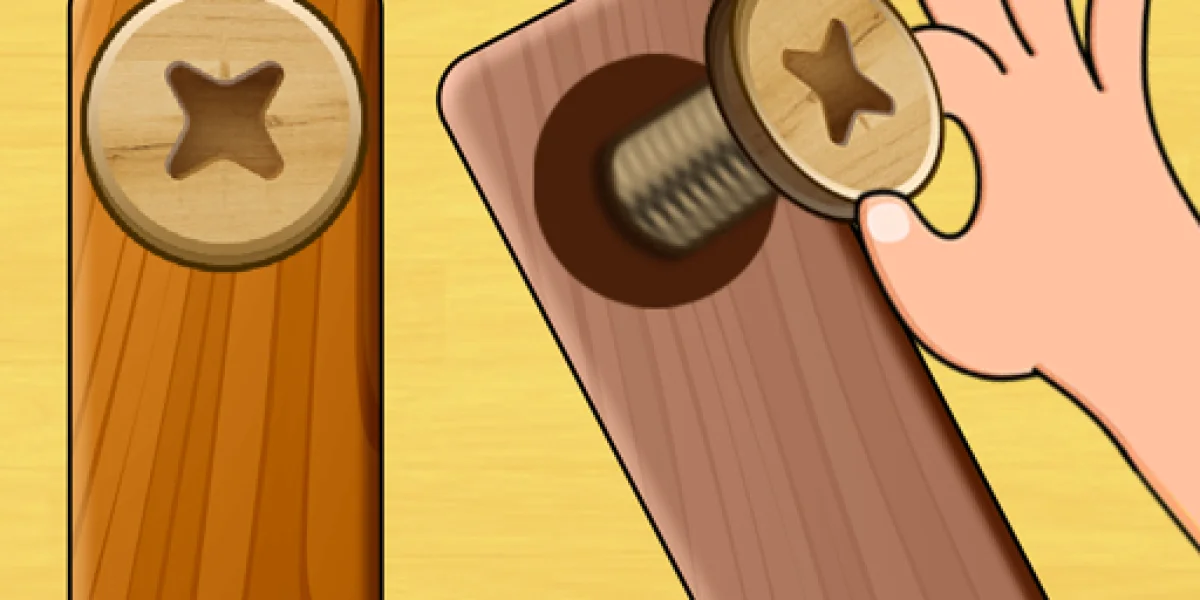
Screw Puzzle is a compact 2D brain-teaser designed for solo play that invites you to relax while engaging your logic. The experience centers on untangling a sequence of interlocking parts, using careful observation and step-by-step moves to free the pieces without forcing anything. Expect clean visuals, minimal distractions, and a steady sense of progress that keeps each session satisfying. This page is a focused guide that explains what the game is, how it plays, and how to approach its challenges, so you can enjoy a smooth start and build confidence as you learn.
For fans of brain-teasing mechanics, Screw Puzzle offers a satisfying single-player experience within the puzzle genre. This 2D title found on grazygames challenges your logic and spatial reasoning, making it a perfect pick for anyone looking to unwind while testing their mental skills.
The appeal lies in its simplicity and clarity. You see a compact arrangement of pieces, identify the ones that can move, and decide the order of operations. There is no rush, only the pleasure of a clean solution. The design favors thoughtful play, making it ideal for short breaks or longer focused sessions. Every solved puzzle delivers a gentle sense of accomplishment without overwhelming you with complex systems.
Because the game is built for one player, you can progress at your own pace. There are no external timers pushing you, and the challenge comes from the arrangement of the parts rather than any artificial pressure. This calm approach keeps the experience accessible while still offering a meaningful test of your reasoning skills.
Gameplay revolves around identifying which pieces are free to move and which are locked by others. You will learn to scan the board from multiple angles, recognize patterns, and plan a sequence of moves that avoids dead ends. The controls are straightforward, and the feedback is immediate, so you can focus on the logic rather than learning complicated systems. Expect a gradual learning curve that rewards patience and careful observation.
As you progress, you will encounter more intricate arrangements that require a bit more foresight. The game encourages you to slow down, test your assumptions, and adjust your plan when needed. This rhythm of planning, testing, and refining is at the heart of the experience, and it remains engaging without becoming stressful.
Start by taking a full view of the puzzle and spotting the pieces that are already free. Move them first to create space and reduce clutter. Next, look for the most constrained pieces and consider whether freeing a different piece will unlock them. It often helps to think in reverse: imagine the final state and work backward to identify the necessary steps.
Avoid rushing through moves. Even simple arrangements can benefit from a moment of reflection. If you feel stuck, try reordering your approach or focusing on a single corner of the board. Small adjustments can open up new options, and the clarity you gain from a fresh perspective often leads to a smooth solution.
Controls are designed to be intuitive, letting you focus on the puzzle rather than the interface. Clicking or tapping to select and move pieces is the core interaction, with clear feedback that shows which pieces are currently available. The layout is easy to read, and the visual design keeps distractions to a minimum, which supports longer sessions without fatigue.
Accessibility is supported through a clean presentation and a straightforward interaction model. The game does not rely on fast reflexes or complex inputs, making it suitable for a wide range of players. If you prefer a calm, methodical experience, the control scheme and visual style will feel welcoming from the first minute.
The 2D approach keeps the puzzle space clear and readable. Without depth or perspective distortion, you can judge relationships between pieces at a glance. This clarity helps you track dependencies and plan moves more effectively. It also makes the game feel timeless and focused, stripping away visual noise so you can concentrate on the logic.
From a design standpoint, 2D allows for tight layouts that still feel spacious. Each piece has room to breathe, and the board remains legible even when the arrangement becomes complex. The result is a polished, comfortable experience that emphasizes the puzzle itself.
Sessions can be as short as a few minutes or extend into a longer, more immersive experience, depending on how deeply you want to analyze each puzzle. The difficulty curve is gentle at first, introducing you to basic concepts before gradually presenting more intricate arrangements. This progression helps you build confidence and develop your own problem-solving style.
Because the game is designed for one player, you control the pace. You can revisit puzzles, experiment with different approaches, and take breaks without losing your place. This flexibility makes it easy to fit into daily routines, whether you have a quick moment or a dedicated block of time.
You can jump in right away and start solving puzzles without complicated setup. To begin, you can play Screw Puzzle in your browser and enjoy a smooth, focused experience. The game is ready when you are, and the first puzzle serves as a friendly introduction to the mechanics.
Starting with a calm mindset helps you notice patterns and make steady progress. Take your time, explore the board, and enjoy the small victories that come with each cleared arrangement. The game is built to be approachable, and the initial levels set the tone for a satisfying journey.
This page brings together everything you need to understand and enjoy the game without unnecessary clutter. It explains the core concept, offers practical strategies, and highlights the design choices that make the experience comfortable and engaging. The goal is to help you get the most out of each session, whether you are new to puzzles or looking for a relaxing challenge.
By focusing on one game and keeping the guidance clear, you can quickly find the information that matters. From controls to strategy, each section is designed to support your play and help you feel prepared before you start solving.
| Feature | Details |
|---|---|
| Gameplay style | Logic-based untangling puzzle with step-by-step moves |
| Likely controls | Click or tap to select and move pieces |
| Session pace | Relaxed and turn-based, player-driven |
| Device fit | Works well on desktop and mobile browsers |
| Category focus | Puzzle with 2D visuals and solo play |
Is the game suitable for beginners? Yes, the early puzzles introduce core mechanics in a gentle way, and the controls are easy to learn.
Do I need to create an account to play? No, you can start playing immediately in your browser without any setup.
Is there a time limit? No, the game encourages thoughtful play, so you can take as long as you need.
Can I replay puzzles? Yes, you can revisit arrangements and try different approaches to find the solution that feels best to you.