 gamesonline.org.es
Timing Games






















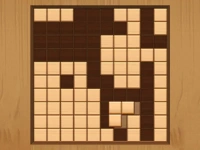







Timing games are highly competitive games that test players' reaction and decision-making skills, often requiring swift and precise actions to succeed. Players must react efficiently to challenges and obstacles, making correct decisions within a limited timeframe to achieve the best possible outcome. To excel in these games, players need to maintain focus and timing, utilizing their skills to overcome hurdles and reach the top. About Timing games In timing games, players must carefully time their actions to optimize their score or progress; the key to…Learn moreLatest update
Timing games are highly competitive games that test players' reaction and decision-making skills, often requiring swift and precise actions to succeed. Players must react efficiently to challenges and obstacles, making correct decisions within a limited timeframe to achieve the best possible outcome. To excel in these games, players need to maintain focus and timing, utilizing their skills to overcome hurdles and reach the top.
About Timing games
In timing games, players must carefully time their actions to optimize their score or progress; the key to success lies in quick reflexes and precise decision-making.
Gameplay Mechanics
Timing games typically involve quick actions and precise decision-making, often in reaction to obstacles or time-sensitive challenges. Players must use their reflexes to overcome hurdles and achieve goals, with the timing of these actions often being critical to success. Timing games frequently require the use of timing-based actions, such as taps or clicks, to navigate the game environment efficiently. To maintain a high level of performance in these games, players must continually monitor their timing and adjust their strategy as needed.
Tips & Strategies
The key to success in timing games often involves finding a balance between speed and accuracy, as players must react quickly to challenges while also maintaining control of their actions. To achieve this balance, players should focus on maintaining a consistent timing and practice their reflexes through regular play. Timing games also frequently involve the use of timing-based actions, such as taps or clicks, to navigate the game environment efficiently.
Timing Games FAQs
Q: What is the typical control scheme for timing games? A: Players typically use taps or clicks to navigate the game environment and react to challenges. Q: What is the primary objective in timing games? A: The primary objective is to react efficiently to challenges and obstacles, making correct decisions within a limited timeframe. Q: Are timing games compatible with mobile and tablet devices? A: Yes, timing games are often designed with mobile and tablet compatibility in mind. Q: What is the main mechanic in timing games? A: The main mechanic involves the use of timing-based actions, such as taps or clicks, to navigate the game environment and react to challenges.